What if you could choose a safe, permanent way to avoid unplanned pregnancy without pills, injections, or repeated visits? More women are starting to think about this seriously.
Laparoscopic sterilisation in Birmingham is now seen as a practical and reliable option. It is simple, effective, and removes the need to manage contraception every day.
Across the UK, interest in permanent birth control for women is increasing. Lifestyles have changed. Priorities are different. Many women prefer a solution that does not require ongoing effort or regular follow-ups.
This is why female sterilisation in Birmingham is gaining attention. It offers control and long-term peace of mind. There is no need to remember pills or schedule frequent appointments.
For many, it is about making a clear decision that fits their life.
What Is Laparoscopic Sterilisation?
Understanding the Procedure
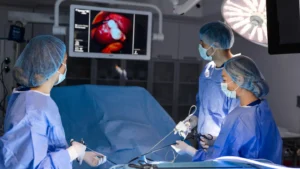
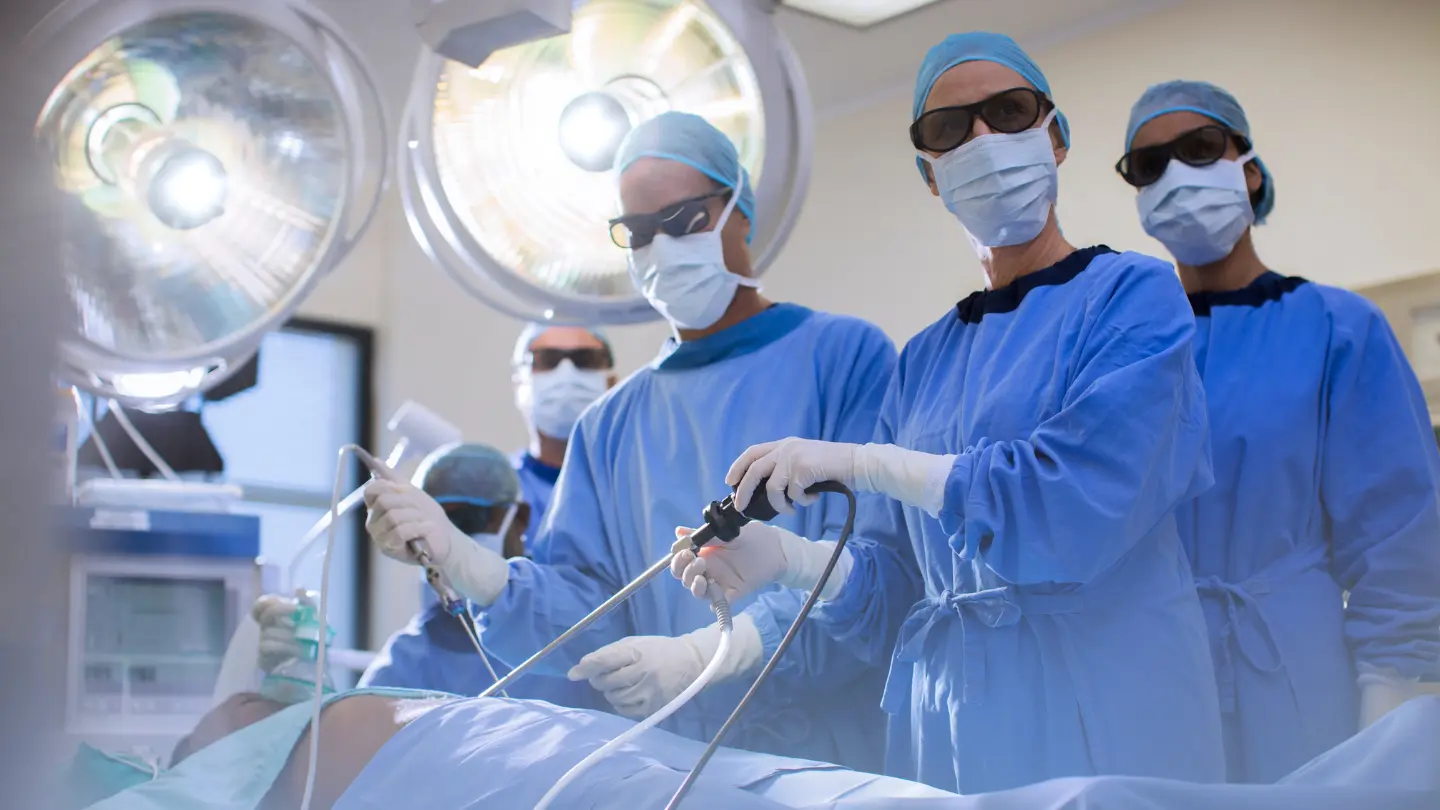
Laparoscopic tubal ligation in Birmingham is a surgical method used to prevent pregnancy permanently. It is done using a thin camera called a laparoscope. The doctor makes one or two small cuts, usually near the belly button. Through these openings, the camera and tiny tools are inserted.
The surgeon can see the fallopian tubes on a screen in real time. This allows precise work without opening the abdomen fully. Because of this approach, the procedure is less invasive. There is less pain after surgery. Recovery is also quicker compared to traditional methods.
Most women go home the same day. The scars are small and often fade over time. The focus is on safety and accuracy, not just speed.
How It Prevents Pregnancy
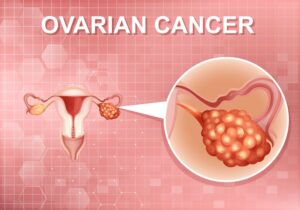
Pregnancy happens when an egg travels through the fallopian tube and meets sperm. This procedure stops that path.
The tubes are either sealed, clipped, or cut. Once this is done, the egg cannot reach the sperm. Fertilisation cannot occur.
This makes it a permanent solution. It does not work like pills or injections that need regular use. There is no daily effort. No ongoing cost.
It is a one-time decision. That is why it is only offered to women who are sure they do not want future pregnancies.
Why More Women in the UK Are Choosing Permanent Birth Control
Growing Demand for Reliable Contraception
Most women in the UK use contraception. Around 68.8% of women use contraception, yet many are rethinking short-term options.
Short-term options need effort. Pills must be taken on time. Injections follow a set cycle. Devices need checks. These steps seem small, but they add up. Over time, this can feel tiring. It can also lead to mistakes.
There is also a steady move towards lasting solutions. More than 10,793 sterilisation procedures were carried out in NHS hospitals in 2024 to 2025. This shows a clear demand for something more fixed.
For some, it is about ease. For others, it is about not having to think about it again.
When Is Sterilisation Considered?
This choice is not rushed. It usually comes after careful thought.
- Completed family: When a woman feels her family is complete, she may want a method that closes that chapter with certainty.
- Medical reasons: Hormonal methods can cause side effects in some cases. Surgery may be safer for those with certain health concerns.
- Preference over hormonal methods: Some women do not feel comfortable using hormones. They look for an option that works with their body, not against it.
In the end, it is a personal decision. One that is shaped by health, lifestyle, and future plans.
Benefits of Laparoscopic Sterilisation in Birmingham
- Less invasive method
The surgeon uses very small cuts; no large opening. The body handles this better. Most women notice less soreness and a smoother healing phase. - Short procedure time
It does not take long in the operating theatre. In many cases, you are home the same day. Rest starts sooner, which helps recovery. - Very high success rate
This method is highly reliable. Once completed, it works without ongoing action. That level of certainty is hard to match. - No daily effort needed
There is nothing to track. No tablets. No repeat visits for contraception. It removes that daily mental load. - Access through private care
With private laparoscopic female sterilisation, waiting times are often shorter. You can plan the procedure at a time that suits you. - Saves money over time
It is a one-time step. Over the years, it can reduce the need for repeated spending on other options.
Step-by-Step Process of Laparoscopic Sterilisation
- Pre-surgery consultation: It starts with a detailed discussion. The doctor reviews your health, past treatments, and future plans. You are asked simple but direct questions. This is to confirm that the decision is right for you. Consent is taken only after everything is clear.
- Anaesthesia: On the day of surgery, you are given general anaesthesia. You will be asleep and will not feel pain. The team monitors your breathing and heart rate throughout.
- Small incision and laparoscope insertion: A tiny cut is made near the abdomen. A thin camera is inserted. It sends clear images to a screen. This helps the surgeon work with precision, without opening the body fully.
- Tubes sealed or clipped: The fallopian tubes are then closed. This may be done using clips, rings, or heat. The aim is to block the path completely.
- Same-day discharge: After a short recovery period, most women go home the same day. You are given simple aftercare advice before leaving.
Risks and Complications of Laparoscopic Sterilisation: What You Need to Know
Laparoscopic sterilisation is common in the UK. It is usually safe. Still, it is surgery. Every operation carries some risk. The Royal College of Obstetricians and Gynaecologists (RCOG) explains what to expect.
Significant Risks
Procedure failure and unplanned pregnancy
This method works well for most women. But it is not perfect. A small number will still become pregnant. Around 2 to 5 in every 1,000 cases over 10 years may fail. It is rare. It still matters.
Risk of ectopic pregnancy
If pregnancy happens after the procedure, it may not develop in the womb. It can grow in a fallopian tube. This is called an ectopic pregnancy. It is serious. Urgent care is needed.
Injury during surgery
There is a small chance of injury inside the body. Blood vessels or nearby organs can be affected. This happens in about 2 in 1,000 cases. Some women may need another operation to fix it.
Anaesthetic risks
The procedure uses general anaesthesia. Most people recover well. Some may face a higher risk. This includes women with health conditions or higher body weight. Doctors will discuss this before surgery.
Risk of death
This is very rare. It happens in about 1 in 12,000 cases. Even so, it must be explained before the procedure.
Conclusion
Choosing a permanent option can feel like a big step, but it does not have to be complex. Laparoscopic female sterilisation in Birmingham offers that kind of option. The process is straightforward, and the outcome is reliable.
Many women choose it to avoid ongoing effort. No repeat steps. No constant planning.
Still, it is not a rushed decision. A short talk with a specialist can help you see what fits your life best. The right guidance brings confidence.
Frequently Asked Questions
1. Is laparoscopic sterilisation permanent?
Yes, it is meant to be permanent. The fallopian tubes are closed, so pregnancy cannot occur. Reversal is not usually offered and may not work, so the decision should be made with care.
2. How effective is female sterilisation in Birmingham?
It is one of the most reliable methods available. The success rate is very high, with only a very small chance of failure over time.
3. How long does recovery after tubal ligation take?
Most women recover within one to two weeks. Light activities can often be done sooner, but full recovery depends on how your body heals.
4. Is private sterilisation in the UK better than NHS?
It depends on what you need. Private care can be faster and more flexible. NHS care is still safe and trusted, but waiting times may be longer.
5. Are there risks with laparoscopic tubal ligation in Birmingham?
All surgery carries some risk. In this case, problems are uncommon. You might have mild pain, slight bleeding, or a small chance of infection. Most women recover without issues.