Fibroids are common. Many women have them and never know. Others feel the impact with heavy periods, pain, and pressure that does not go away.
When symptoms start to affect daily life, treatment becomes a real question. Some women manage with medication. Others look at uterine fibroid treatment options that go further. In certain cases, surgery is the next step.
Laparoscopic myomectomy in Birmingham is one option. It is a type of keyhole surgery for fibroids. Doctors remove fibroids through small cuts. This small incision fibroid surgery is different from open methods. Recovery is often quicker.
This guide explains when a laparoscopic fibroid removal procedure may be suitable, what to expect, and how to decide what’s right for you.
What Is Laparoscopic Myomectomy?
Laparoscopic myomectomy removes fibroids without a large cut. It uses small openings in the abdomen. The aim is to remove the growths while preserving the uterus. This method limits tissue damage and supports a smoother recovery.
Understanding Fibroids and Their Impact
Fibroids are non-cancerous growths in the muscle of the womb. They can stay small or grow over time. Some are barely visible. Others become large enough to cause concern.
Their size can range from a pea to something much larger. Not every case leads to symptoms. When they do appear, they often include heavy bleeding, pelvic pain, or a steady feeling of pressure.
Some women adjust without treatment. Others find that symptoms begin to interfere with work, sleep, or comfort. At that point, medical advice becomes important.
What Happens During the Procedure?
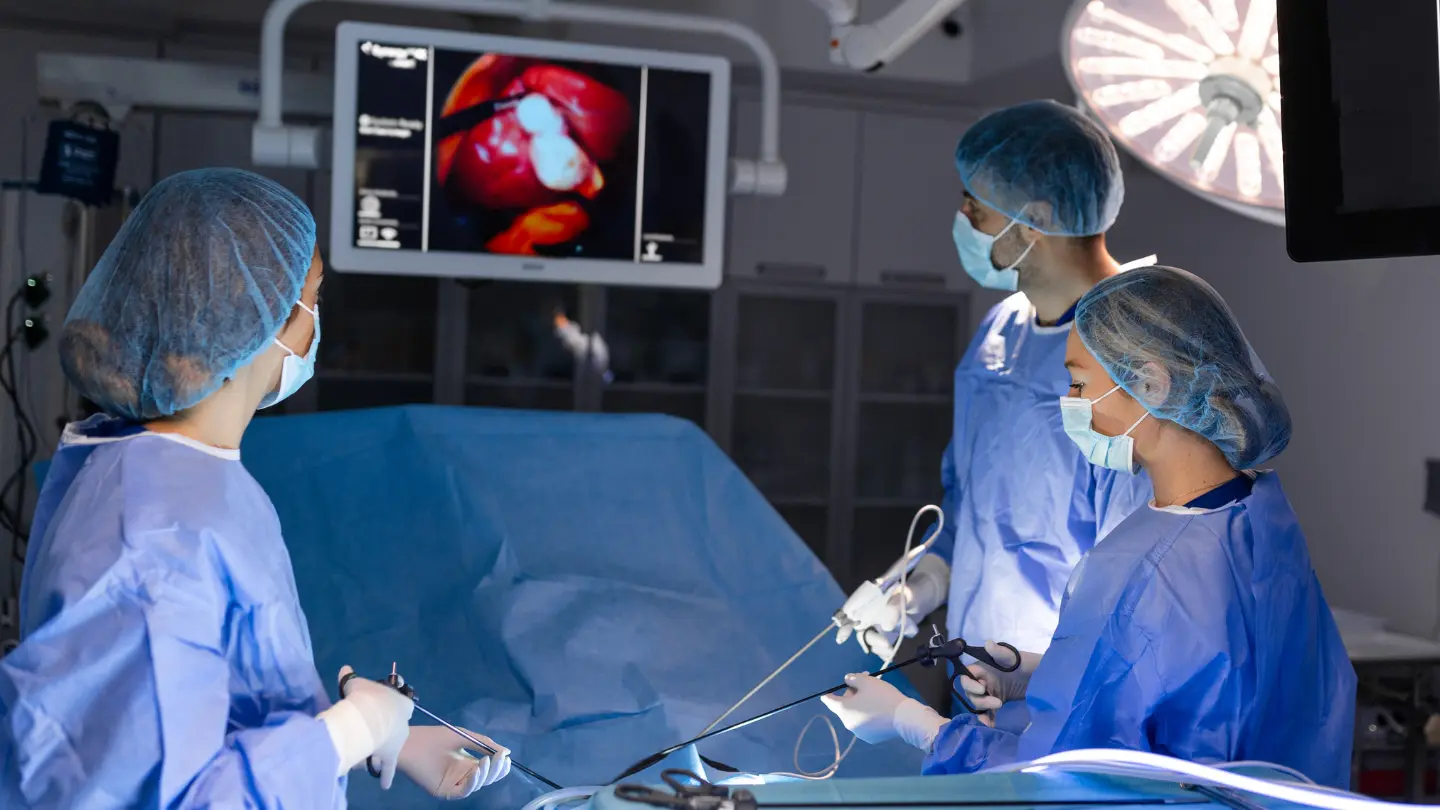
The procedure uses a keyhole method. A few small cuts are made in the abdomen. A camera is inserted to guide the surgeon.
Fine instruments are used to remove the fibroids. The womb is then stitched where needed. Each step is controlled and precise.
The surgery usually takes between 90 minutes and 3 hours. It depends on how many fibroids are present. Patients are asleep under a general anaesthetic.
How It Differs from Other Fibroid Treatments
Open surgery
This method uses a larger cut. Recovery takes longer. It is often chosen for more complex cases.
Hysterectomy
This removes the womb completely. It ends the chance of pregnancy. It is considered when other options are not suitable.
Uterine artery embolisation
This blocks blood flow to the fibroids. They shrink over time. It does not remove them directly and may not suit every case.
Where does laparoscopic myomectomy fit
It sits between these options. Fibroids are removed, but the uterus stays. The approach is less invasive, and recovery is often easier to manage.
Signs You May Need Laparoscopic Myomectomy
Fibroids do not always cause trouble. Some stay silent. Others slowly change how you feel each day. The signs are often gradual. Easy to miss at first.
Common Symptoms to Watch
Heavy or painful periods
Bleeding may feel harder to manage. It can last longer than usual. You may notice clots. Pain may come in waves or stay throughout the day. Tiredness often follows.
Pelvic or lower back pain
A steady ache can sit low in the abdomen. It may spread to the back. Sitting for long periods can make it worse. Some feel discomfort during movement or intimacy.
Pressure on the bladder or bowel
Fibroids can put pressure on nearby organs. This leads to changes such as:
- Passing urine more often
- A constant urge to go
- Bloating or slow bowel movement
The feeling is not always sharp. Sometimes it is just a constant heaviness.
Fertility and Pregnancy Concerns
Fibroids can affect how the womb works. This may not be obvious at first.
- Trouble conceiving in some cases
- Higher chance of early pregnancy loss
- Risk of early labour in later stages
The impact depends on where the fibroid sits. Some interfere with space inside the womb. Others affect how it stretches.
When Doctors Recommend Surgery
Large or growing fibroids
Growth can change how organs around the womb behave. Even one fibroid can cause strong symptoms.
Ongoing symptoms
If pain, bleeding, or pressure does not settle, further steps are needed. Medication may not always help.
Future pregnancy plans
For those planning to conceive, removing fibroids may improve the chances. The uterus remains in place, which is key for many women.
Each case is different. The decision comes after careful review, not guesswork.
Benefits of Laparoscopic Myomectomy in Birmingham
Faster Recovery and Less Pain
With laparoscopic myomectomy, the body heals faster. The cuts are small, so there is less stress on the body. Pain is usually mild. Many women walk within a day. Daily tasks return step by step. Most recover within 2 to 6 weeks. This makes it easier to get back to normal life.
Minimal Scarring and Better Cosmetic Results
The cuts are tiny, about 0.5 to 1 cm. These leave small marks that fade over time. Compared to fibroid removal surgery in Birmingham, the scars are much less visible. The skin heals better. Many women feel more comfortable during recovery.
Preserves the Uterus and Fertility
This method removes fibroids but keeps the uterus. That is important for women who want children later. A laparoscopic fibroid removal procedure helps treat the problem without taking away that option.
Most women stay in the hospital for 1 to 3 days, which means they can go home sooner and recover in a calm space.
Risks and Considerations You Should Know
Common Side Effects
After surgery, the body reacts in simple ways. These are expected.
- Mild pain in the lower abdomen
- Feeling sick for a short time
- Low energy or tiredness
- Shoulder pain from trapped gas
These signs do not last long. Most ease within a few days.
Surgical Risks (Rare but Important)
Serious problems are not common, but they can occur.
- Bleeding: about 4 to 5 in 100 women may need a blood transfusion
- Open surgery needed: around 2 in 100 cases may need a larger cut to finish safely
- Infection: may affect the wound or the inside of the body
These risks are managed during and after surgery.
Long-Term Considerations
Some effects may show later.
- Fibroids can return over time
- Scar tissue may form inside the abdomen
- This may cause discomfort in some cases
Not every woman faces these issues. It depends on how the body heals and the nature of the fibroids.
Expert Advice Before Choosing Surgery
Preparing for the Procedure
Good preparation helps the body cope better with surgery. Small changes matter.
- Stop smoking: it improves breathing and lowers the risk of chest issues
- Keep a steady weight: it reduces pressure on the body during healing
- Attend all checks: blood tests and scans help plan the surgery safely
Doctors will also review your medicines. Even simple tablets can affect the procedure. Clear guidance is given before the day.
Serious problems, such as organ damage, are rare. They occur in less than 3 in 1000 cases.
Lifestyle Tips for Better Recovery
Recovery improves with simple habits. These steps support steady healing.
- Walk slowly: gentle walking helps blood flow and lowers the risk of clots
- Eat well: light meals with fibre and protein support repair
- Drink enough water: it helps the body recover and prevents discomfort
- Avoid strain: give the body time before lifting or intense activity
Progress may feel slow at first. That is normal. Each day brings a small improvement.
Conclusion
Fibroid care is not one path for all. Some wait while others need action. Laparoscopic myomectomy in Birmingham is one option to consider. It suits many, not everyone. The choice depends on your symptoms and plans.
At Your Gynae Health, the aim is to provide clear facts. No pressure. You can take time to think, ask what matters, and move forward when you feel ready.
Frequently Asked Questions
1. How do I know if I need a laparoscopic myomectomy in Birmingham?
You may notice changes first with heavy periods, ongoing pain, and a feeling of pressure. Some find out during a scan for fertility. A doctor checks the size, number, and position before advising.
2. How long does it take to recover from laparoscopic myomectomy?
Recovery takes time, but it is steady. The first few days feel slow. Light work may start after two weeks. Full recovery often takes up to six weeks.
3. Is laparoscopic myomectomy safe?
Yes, it is widely used. Most women recover well. Risks are there, but serious problems are not common. Doctors monitor you during and after surgery.
4. Can fibroids come back after surgery?
Yes, they can return. Surgery removes existing fibroids, not the cause. Some women do not face this again, but others may need care later.
5. Will I be able to get pregnant after myomectomy?
Many women can still get pregnant. The uterus stays in place. Recovery and timing matter, so medical advice is important.