For many people, the thought of ovary removal surgery brings a rush of questions. What happens next? How serious is it? It’s not always something you expect to hear, and it can take a moment to process. One appointment can shift everything. You start thinking ahead: about recovery, time off, and how you’ll feel afterwards.
A laparoscopic oophorectomy in Birmingham is not usually the first step. It tends to come up later, when symptoms keep returning. The decision builds gradually.
Looking into ovary removal surgery in Birmingham often means you want things explained plainly. No long details. No overcomplicated terms. Just enough to understand what’s ahead and how it might feel.
That’s the idea here. This guide keeps it simple. It covers what matters, what to expect, how recovery may unfold, and the practical side, like safety and cost.
What Is Laparoscopic Oophorectomy?
Understanding Ovary Removal Surgery
An oophorectomy is the removal of one or both ovaries. It depends on the situation. Surgery is not always the first option. Many people try other treatments first. But there are times when that is no longer enough.
Ovarian cysts can keep coming back. Pain may not settle. In some cases, there is a higher risk of cancer, which changes the approach. Endometriosis can also reach a point where it affects daily life in a way that is hard to manage.
At that stage, removing the ovary may be the most practical step.
Why Laparoscopic Surgery Is Preferred
This method uses small openings instead of a large cut. A camera is used to guide the surgeon. The work is more controlled, and the body handles it better.
Most people notice the difference after surgery. Movement feels easier. Recovery tends to be quicker. There is less strain overall.
In the UK, around 30,000–40,000 hysterectomy-related procedures take place each year. Close to half are now done laparoscopically.
This shows a steady move towards laparoscopic ovary removal in the UK, where shorter recovery and lower impact matter more.
How to Prepare for Your Laparoscopic Oophorectomy
Getting ready in advance makes a real difference. It keeps things calm and helps the day run as planned.
Pre-Operative Assessment
You will attend a pre-op check before surgery. This is routine. It confirms you are fit for the procedure. Expect a blood test and an ECG to look at your heart. It is a simple check, nothing more.
Fasting Before Surgery
You must stop eating and drinking for a set time before surgery. Follow the advice given. The nurse will tell you exactly when. They will also explain which medicines you can still take. Bring a list of what you use. It avoids confusion.
Thinking About Fertility
If both ovaries are removed, you will not be able to get pregnant. This needs a clear discussion with your doctor before surgery. Do not leave it late. Ask questions early, so you understand your choices.
Planning Your Return Home
Many women go home the same day. You will need someone to take you home. Driving is not allowed after the procedure. Try to arrange help for a few days. Basic tasks can feel harder at first.
Time Off Work
Recovery is usually steady. Many return to normal life in about two weeks. Jobs that involve lifting or strain may need more time. Your doctor can provide a sick note if required.
What Happens During Laparoscopic Oophorectomy?
Before the Procedure Begins
The process starts with a short review of your health. You may be asked about symptoms, past treatments, and any recent changes. Simple checks are done on the day. Once everything is clear, you are prepared for surgery.
- You’ll be asked not to eat for a few hours before
- Consent is confirmed again
- The team explains what will happen next
You are then given anaesthesia. You’ll be asleep and won’t feel anything during the procedure.
Creating Access and Visual Guidance
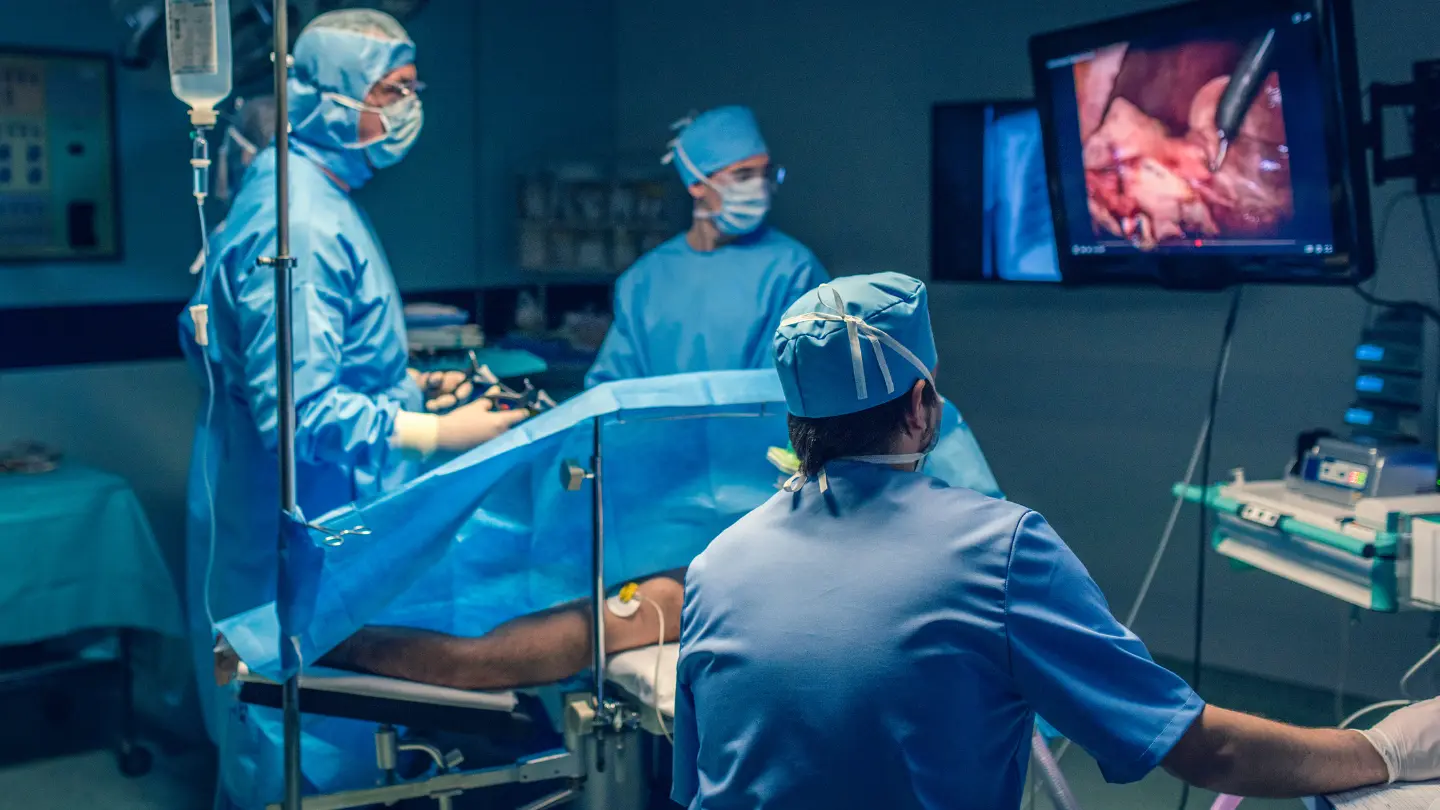
Small openings are made in the lower abdomen. These are not large cuts. A thin camera is placed through one opening, giving a clear view inside.
- The camera shows live images on a screen
- Other small tools are inserted through nearby openings
- The area is gently expanded for better visibility
This setup allows careful movement without disturbing nearby tissue too much.
Removing the Ovary
The ovary is located and separated with precision. The surrounding structures are handled carefully to avoid damage.
- Blood supply is controlled
- The ovary is detached step by step
- It is then removed through one of the small openings
The focus stays on control and accuracy throughout.
Closing and Immediate Recovery
Once the ovary is removed, the tools are taken out. The small openings are closed.
- The surgeon closes the openings with stitches or surgical glue
- Dressings are applied
- You are moved to recovery for monitoring
How Long Does Surgery Take?
The procedure usually takes between one and two hours. The exact time can vary slightly, depending on the condition being treated and how straightforward the surgery is.
Preparation and recovery add extra time at the hospital. You may spend a few more hours in the hospital for monitoring after the surgery. Many people go home the same day, depending on how they feel.
Risks and Safety of the Procedure
Common Risks
- Infection:
Infection can occur after surgery, though it is uncommon. It may affect the wound or, in rare cases, deeper tissue. Early signs are usually easy to spot and treat. - Bleeding:
Some bleeding can occur. In most cases, it is mild and settles on its own. Care is taken during the procedure to keep it under control. - Impact on nearby organs:
The ovary is close to the bladder and bowel. Because of this, there is a small risk of contact during surgery. It is uncommon, but it is always taken into account.
Why It’s Considered Safe
- Experienced hands:
This procedure is regularly performed by trained specialists, including many surgeons offering Birmingham-based laparoscopic treatment services. Experience and careful surgical planning help lower the chance of complications. - Gentler approach:
Smaller cuts mean less impact on the body. This supports smoother healing. - Close checks:
You are monitored throughout. Any issue can be picked up early. - Recovery tends to be steady:
Most people heal without major problems. Following basic advice helps keep things on track.
What Side Effects Should You Expect After Surgery?
The body needs time to adjust. Most effects are mild. They ease on their own. Knowing this helps you stay calm.
Pain and Discomfort
Soreness in the lower abdomen is common. It may feel tight or tender. This settles within a few days. Pain relief is given. Tell your nurse if it is not enough.
Shoulder Tip Pain
You may feel pain near the shoulder. It can seem strange. This comes from the gas used during surgery. It presses on a nerve. It is not dangerous. It fades within 48 to 72 hours. Warm drinks can help.
Constipation
Bowels may slow down at first. This is normal. It should improve soon. A gentle laxative may be advised if needed.
Light Vaginal Bleeding
Some light bleeding or discharge can happen. It may last up to 10 days. It often looks like a light period. This is expected.
Nausea
You may feel sick after anaesthesia. It usually passes quickly. Let the nurse know. Treatment is available.
Menopausal Symptoms
If both ovaries are removed, hormone levels drop. You may notice hot flushes or night sweats. This is a natural response. Hormone Replacement Therapy (HRT) may be discussed if suitable.
Fertility
Removing both ovaries means pregnancy will not be possible. This should be discussed before surgery so you feel prepared.
Cost of Oophorectomy in Birmingham
NHS vs Private Treatment
Access plays a big part here. NHS care is available, but waiting times can vary. For some, that is manageable. For others, the delay feels too long, especially when symptoms are ongoing.
Private care works differently. Appointments tend to be quicker. Surgery dates are more flexible. It can feel more straightforward, with fewer unknowns along the way.
If you are weighing both options, the cost of oophorectomy in Birmingham will differ. It depends on how soon you want treatment and how you prefer to plan it.
What Affects the Cost?
- Hospital choice:
Prices differ between hospitals. Facilities, location, and support services all play a part. - Surgeon experience:
More experienced specialists may charge higher fees. This often reflects their level of expertise. - Complexity of the case:
Some cases are simple. Others need more time and care. That difference can affect the final cost.
If you are considering private oophorectomy surgery in Birmingham, it helps to ask what is included. A clear breakdown makes it easier to plan ahead.
Choosing the Right Clinic in Birmingham
What to Look For
- Consultant experience:
Start with the person doing the surgery. How often do they perform it? Regular practice builds confidence and control. It also helps with decision-making during the procedure. - CQC ratings:
The Care Quality Commission reviews clinics. These reports are public. They show how well a clinic meets safety and care standards. A quick check can tell you a lot. - Patient feedback:
Reviews give a different view. Not just scores, look at what people mention. Was communication clear? Did they feel supported after surgery? Small details can stand out.
Questions to Ask Your Surgeon
- Success rates:
Ask about outcomes in simple terms. What usually happens? How often do things go as expected? - Recovery expectations:
Get a clear idea of the days after surgery. Not exact timelines, but a rough sense of how it feels and how long it takes to settle. - Risks for your case:
Your situation is not the same as someone else’s. Ask what applies to you. Clear answers help you prepare without guessing.
Conclusion
Surgery like this is not a quick choice. Most people take time to think it through. That’s normal. Clear information can make it easier to decide what feels right.
This procedure is quite common. It is used to address ongoing problems that don’t resolve. For many, it brings relief and a chance to move on without the same issue returning.
Where you go does matter. A good specialist in Birmingham will explain things in a simple way and give you time to ask questions.
If you are thinking about a laparoscopic oophorectomy in Birmingham, a short consultation can help you understand your options and decide your next step.
Frequently Asked Questions
1. How long does it take to recover from a laparoscopic oophorectomy?
Most people feel a change within a few days. Energy comes back slowly. Light tasks are often fine early on. Full recovery can take a few weeks. It depends on how your body responds.
2. Is laparoscopic oophorectomy safe?
Yes, it is widely used. The smaller cuts make it easier on the body. Problems can happen, but they are not common.
3. What is the cost of oophorectomy in Birmingham?
Costs are not fixed. NHS care may involve a wait. Private care is quicker but comes with a fee. The final amount depends on where you go and what is needed.
4. Will I need hormone therapy after ovary removal?
Not always. If one ovary remains, it may still manage hormone levels. If both are removed, the specialist may discuss hormone support with you.
5. Can I return to work quickly after surgery?
Some people go back within a couple of weeks. Others take more time. It often depends on the type of work and how you feel day to day.