
Many women dismiss bloating as a digestive issue. Pelvic discomfort often gets blamed on hormones. Unexpected bleeding can seem like a one-off change that will settle on its own. What matters is when those changes stop feeling occasional.
Some health symptoms are easy to explain away. Life gets busy, hormones shift, and stress affects the body in strange ways. It is easy to assume things will settle. That is not always the case.
Some ovarian cancer symptoms begin quietly. There may be a feeling of fullness that appears too soon while eating. A swollen lower abdomen that does not improve. Ongoing discomfort in the pelvis. Bleeding that feels unusual for your body.
On their own, these signs may not seem alarming. Together, or when they persist, they deserve attention. Knowing the early signs of ovarian cancer can help you recognise when it may be time to seek medical advice and what steps may come next.
What Is Ovarian Cancer?
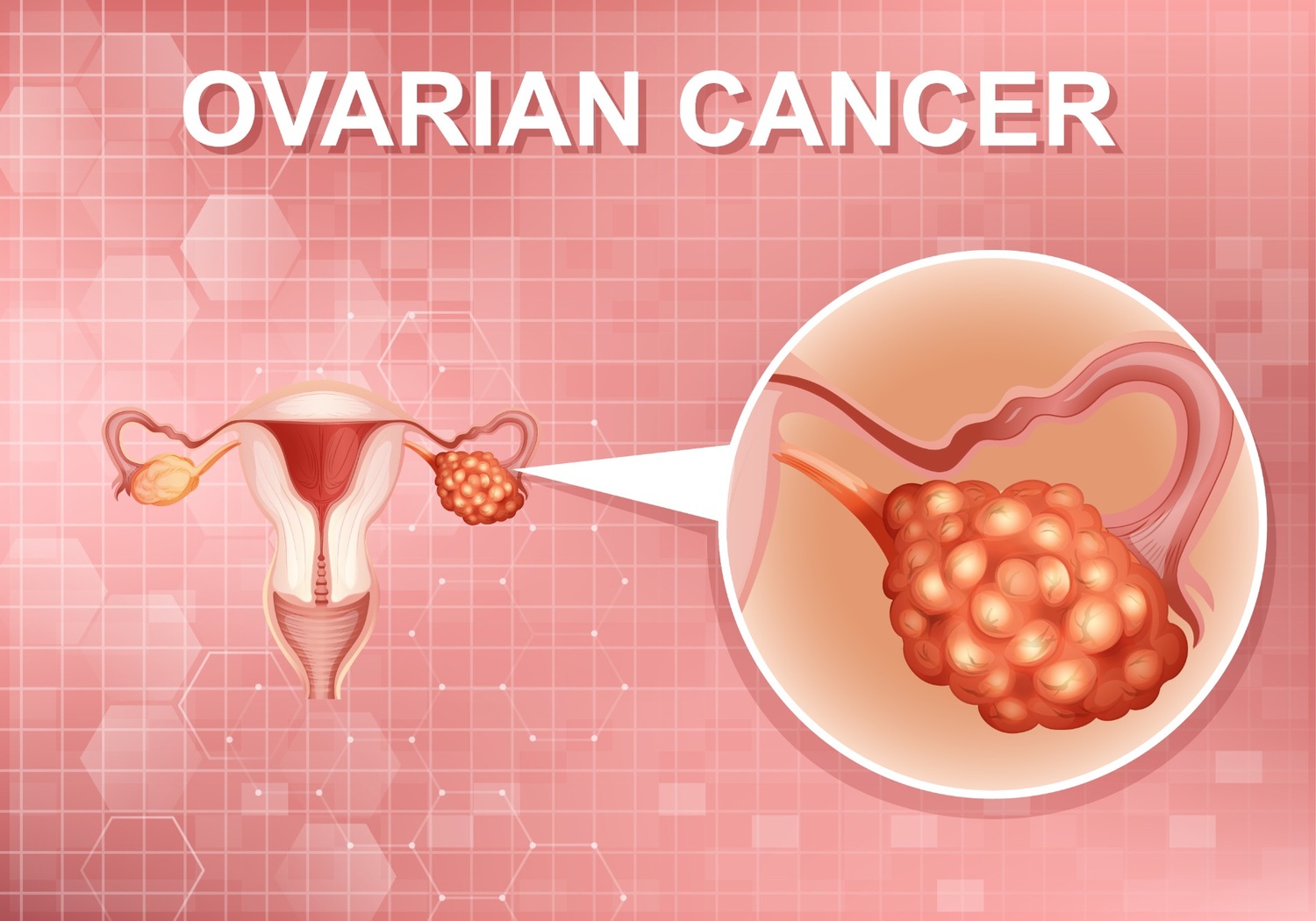
The ovaries are small organs found on each side of the womb. Their main job is to release eggs during the menstrual cycle. They also produce hormones such as oestrogen and progesterone, which help control periods, fertility, and other body processes.
Ovarian cancer develops when abnormal cells grow in the ovary or nearby tissue. These cells keep multiplying instead of stopping as healthy cells normally would. Over time, this growth can form a tumour.
What makes this cancer difficult is how easily the symptoms blend into everyday life. That overlap causes a delay. Because the ovaries sit deep in the pelvis, early warning signs are not always obvious.
How Ovarian Cancer Develops
Cancer begins at a cellular level. A damaged cell keeps dividing, and more abnormal cells follow. This can happen quietly for some time.
Not every ovarian change points to cancer, though. Ovarian cysts are common and are often harmless. Many disappear on their own. Cancer-related growth behaves differently. Symptoms tend to persist, worsen, or appear alongside other unusual changes.
| Statistic | UK Insight |
| Annual diagnoses | Around 7,700 women are diagnosed with ovarian cancer each year in the UK |
| Most affected age group | Ovarian cancer mainly affects women aged 50 and over |
| Survival difference by stage | Around 95% survive 5+ years at stage 1, compared with around 15% at stage 4 in England |
Common Ovarian Cancer Symptoms Women Should Not Ignore
Persistent bloating that does not settle
Occasional bloating is common. Persistent abdominal swelling is different.
Signs to notice:
- Your stomach feels enlarged most days
- Abdominal fullness remains without a clear cause
These patterns are often linked with ovarian cancer bloating symptoms, especially when they continue for weeks.
Pelvic pain, pressure, or lower abdominal discomfort
Discomfort in the pelvis does not always arrive as severe pain.
It may feel like:
- A dull ache
- Pressure low in the abdomen
- A dragging or heavy sensation
With pelvic pain, the issue is persistence rather than intensity.
Appetite changes or feeling full quickly
Some women notice meals feel harder to finish. Others lose interest in eating without knowing why. Pay attention to unexplained appetite changes instead of assuming digestive upset is the cause.
Urinary urgency or needing to wee more often
Changes in the pelvis can place pressure on the bladder.
Possible signs include:
- Needing to use the toilet more often
- Sudden urgency
- Discomfort linked to bladder pressure
Irregular or postmenopausal bleeding
Bleeding that falls outside your normal pattern needs attention.
This includes:
- Spotting between periods
- Heavier menstrual bleeding
- Any bleeding after menopause
When several symptoms appear together or do not improve, further checks may be needed, including imaging or ovarian cancer ruling out scans to investigate the cause.
What Investigations Are Available If Symptoms Need Checking?
If symptoms of ovarian cancer continue, worsen, or do not match your usual pattern, a clinician may recommend investigation rather than waiting to see if they settle.
Clinical assessment and symptom review
The first step is often a detailed conversation.
A clinician may ask about:
- When symptoms started
- How often do they happen
- Whether they are getting worse
- Menstrual changes or postmenopausal bleeding
- Family history of ovarian, breast, or related cancers
- Previous gynaecological conditions
Blood tests and tumour markers
A CA125 blood test may be used as part of the assessment. This test measures a protein that can be raised in some women with ovarian cancer.
CA125 can also rise due to endometriosis, fibroids, pelvic inflammation, or even normal menstrual changes. Some women with ovarian cancer may also have normal CA125 levels. That is why clinicians do not rely on this result alone.
Imaging investigations
Imaging helps build a clearer picture. Tests may include:
- A pelvic scan
- A transvaginal ultrasound
- A specialist ultrasound
Specialist ultrasound can help assess ovarian cysts, masses, fluid buildup, or uterine abnormalities that may require closer review.
When Doctors May Suggest Cancer Exclusion Scans
For persistent symptoms, irregular bleeding, or unclear findings, further imaging may be considered. Depending on the clinical picture, this may include an ovarian cancer ruling out scan or a uterine cancer rule out scan to investigate possible causes and guide next steps.
What Happens If Something Abnormal Is Found?
Seeing an abnormal result can feel unsettling. Still, an abnormal finding does not confirm cancer. It means doctors need more information.
Referral pathways in the UK
The next step depends on what the test shows. A GP may refer you to a gynaecology clinic for further review. If the findings look more concerning, or symptoms suggest urgent assessment is needed, you may be referred through the urgent suspected cancer pathway. This helps speed up appointments and testing.
Additional investigations
One scan does not always answer every question. Doctors may request extra tests to build a clearer picture:
- MRI for more detailed images of pelvic tissues.
- CT scan to check the surrounding areas.
- Biopsy if a tissue sample is needed for diagnosis.
Some women need only one extra test. Others may need several.
Seeing a specialist
If the concern continues, specialist input usually follows. A consultant gynaecologist assesses the findings, explains possible causes, and decides what should happen next.
If cancer remains a possibility, care may move to a gynaecological oncology team. These specialists focus on cancers affecting the ovaries, womb, cervix, and related organs.
The process is designed to move from uncertainty to answers as safely and quickly as possible.
Conclusion
Not every symptom points to a serious problem. Bloating can be digestive. Bleeding changes may have hormonal causes. Pelvic discomfort can happen for many reasons. Still, ongoing changes deserve attention.
If something feels unusual and does not settle, getting it checked is a sensible step. Spotting the early signs of ovarian cancer does not mean assuming the worst. It means taking persistent symptoms seriously.
Blood tests, a specialist ultrasound, or further assessment can help doctors understand what is happening and decide what comes next.
FAQs
1. What are the first ovarian cancer symptoms?
Early signs can be easy to miss. Common changes include ongoing bloating, pelvic pressure, feeling full quickly, appetite loss, or changes in bladder habits.
2. Can ovarian cancer cause irregular bleeding?
Yes. Some women notice spotting, heavier periods, or bleeding after menopause. Any unusual bleeding should be checked.
3. Is bloating always a sign of ovarian cancer?
No. Bloating often has simple causes. The concern is when it keeps happening, lasts for weeks, or comes with other symptoms.
4. What scan checks for ovarian cancer in the UK?
Doctors often start with a pelvic scan or transvaginal ultrasound. If needed, they may arrange a specialist ultrasound or other imaging.
5. When should I worry about pelvic pain?
Seek advice if the pain keeps coming back, gets worse, or feels different from your usual cycle pain.