For many women, endometriosis begins with pain that does not feel normal. It may come with heavy periods, fatigue, or discomfort that disrupts daily life. The signs are often unclear and do not always point to a single cause. Some are told it is normal. Others are given different explanations before the real issue is found. It can take years to reach a clear diagnosis, and that delay can affect daily life, work, and well-being.
The Ziwig test for endometriosis offers a new way to approach this problem. It does not rely on surgery or complex procedures. Instead, it uses a small saliva sample to look for signals linked to the condition. This simpler method may help identify endometriosis earlier and guide the next steps in care.
What Is Endometriosis?
Understanding the Condition
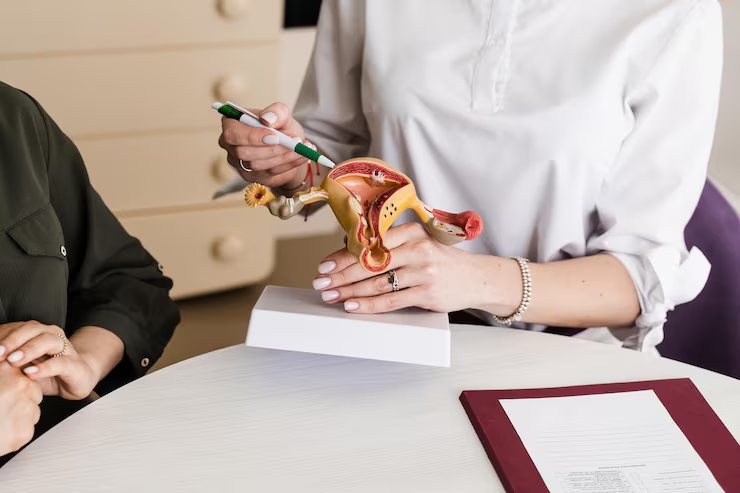
Endometriosis occurs when tissue similar to the lining of the uterus grows outside it. It may sit on the ovaries, the fallopian tubes, or nearby areas in the pelvis.
This tissue still follows the body’s cycle. It builds up, then breaks down. But it cannot leave the body. There is no outlet. So it stays where it is.
Over time, this can irritate surrounding tissue. In some cases, it leads to swelling or scar formation. The condition is long-term. Its effects are not always the same. Some feel only mild discomfort. Others deal with pain that does not ease.
Common Symptoms
- Severe menstrual pain: Pain can feel strong and difficult to manage. It may interfere with daily activity.
- Pelvic pain: Discomfort is not limited to periods. It can appear at different points in the cycle.
- Pain during intercourse: Some experience pain during or after sex. This can affect comfort and well-being.
- Infertility: For some, the condition becomes clear when trying to conceive.
Impact on Daily Life
The effects often reach beyond physical symptoms. Daily plans may change. Energy can drop without warning. Sleep and focus may also be affected.
- Wider symptom range: Fatigue, digestive issues, and urinary problems have also been reported
- Emotional impact: Ongoing discomfort can lead to stress and frustration over time
- Fertility concerns: Delays in diagnosis may create uncertainty around future family plans
Why Is Endometriosis Diagnosis Often Delayed?
Endometriosis affects 1 in 10 women in the UK, yet many spend years searching for an answer. The delay is not always obvious at first. It builds over time, often shaped by how the condition is assessed and understood.
Limitations of Traditional Methods
Laparoscopy (invasive surgery)
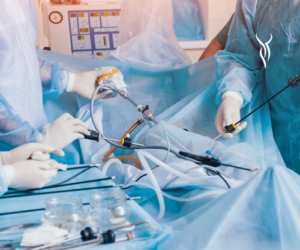
A clear diagnosis often depends on laparoscopy. It is a surgical step, not a simple test. Because of this, it is not always offered early. Waiting lists can stretch. Some are monitored for a while before surgery is even considered.
Imaging challenges
Scans can support assessment, but they do not always show what is happening. Early-stage disease may not appear clearly. Small areas of growth can be missed. This can lead to results that seem normal, even when symptoms continue.
The Diagnostic Gap
The path to diagnosis is rarely direct. It can involve several appointments, each adding a piece to the puzzle but not always the full picture.
Multiple consultations
It is common to move between services like GPs, specialists, and clinics. Each step takes time. Progress can feel slow, especially when symptoms persist.
Misdiagnosis or dismissal
Some symptoms overlap with other conditions. At times, they are seen as typical menstrual pain. This can delay further investigation.
Over time, a gap forms between what is felt and what is confirmed. During this period, many continue without clear support or direction.
What Is the Ziwig Test for Endometriosis?
The Ziwig test for Endometriosis is a different way to look for the condition. It does not rely on surgery. It does not depend only on imaging. Instead, it focuses on what is happening at a molecular level.
This test uses a saliva sample. That alone sets it apart. There is no need for invasive steps. The sample is collected in a simple way, then sent for detailed analysis. From there, the process moves into the lab, where more advanced tools are used to study biological signals linked to endometriosis.
What makes this approach distinct is how it reads those signals. The test looks at microRNAs. These are small molecules that help regulate how genes behave. Changes in their patterns can point to the presence of disease. Around 100 microRNAs are analysed to detect signs of endometriosis.
Key Features
Non-invasive saliva sample:
No surgical step is needed. The process is simple and less demanding for the patient.
Advanced molecular analysis:
The test uses Next Generation Sequencing to study microRNA patterns in detail. This allows a deeper look beyond what scans can show.
Detection across different forms:
It is designed to identify all forms of endometriosis, including cases that may not be visible through standard methods.
This shift towards molecular testing offers a new perspective. Rather than waiting for visible signs, it looks for early biological changes that may otherwise go unnoticed.
Benefits of the Ziwig Endometriosis Test
The Ziwig endometriosis test changes how the condition can be approached. It shifts focus from invasive steps to a simpler process. For many, that difference is not small.
Non-Invasive and Convenient
No surgery is involved. No complex preparation. The test uses a saliva sample, which makes the process easier to manage.
This can feel less overwhelming. It also removes the need to wait for surgical procedures before moving forward. For some, that alone makes a clear difference in how early they seek help.
Early and Accurate Detection
This method looks beyond what scans can show. It studies small biological signals linked to the condition. As a result, it may identify cases that would otherwise go unnoticed.
The reported sensitivity is around 97%, with specificity close to 93%. These figures point to a strong level of accuracy. Still, results are best considered alongside clinical assessment.
Faster Diagnosis
For many, time is a major concern. Delays can stretch for years. This test offers a way to move sooner.
Earlier insight can support earlier care decisions. It may help reduce uncertainty and guide the next steps without long waits.
Who Should Consider the Ziwig Test?
This test is not always the first step. It often comes up later, when symptoms keep showing up but answers do not. That gap can be frustrating. It is also where this option becomes more relevant.
Suitable Candidates
It is mainly used for women aged 18 to 43 who are dealing with ongoing symptoms. Still, age alone does not decide it. The pattern of symptoms matters more.
Some people reach this point after being told everything looks normal. Others want to avoid surgery, at least for now. That choice is understandable. A simpler test can help guide what comes next.
Symptoms That May Indicate Testing
There is no single sign that gives a clear answer. It is often a mix that may change over time.
- Chronic pelvic pain: Pain that stays or returns without a clear cause
- Dysmenorrhoea: Period pain that feels stronger than usual
- Infertility: Trouble conceiving without a clear reason
- Pain during bowel movements or urination: Discomfort that may appear at certain points in the cycle
When these signs continue, it may be worth looking further.
Ziwig Test vs Laparoscopy Diagnosis Methods
Laparoscopy has been the standard way to confirm endometriosis. It involves a surgical procedure. That means planning, hospital care, and time to recover. It is often used when other checks have not given a clear answer.
The Ziwig endo test takes a simpler route. It uses saliva instead of surgery. No anaesthesia. No recovery period. This makes it easier to consider earlier, especially when symptoms suggest a problem but nothing has been confirmed yet.
There is also a shift in timing. Surgery tends to come later. A saliva test can be used sooner, which may help reduce the wait for further steps.
Role in Clinical Practice
The test is not designed to replace existing methods. Imaging and specialist review still matter. They remain part of the full assessment.
What this test offers is added insight. It can support early detection and help guide decisions when results are not clear.
Final Thoughts on the Ziwig Test for Endometriosis
Endometriosis is often linked with long waits and unclear answers. That part has not changed for many. What is changing is how it can be approached. The Ziwig test for endometriosis offers a simpler way to look deeper, without the need for surgery at the start.
It brings focus to early signals. Quiet ones that are easy to miss. That shift can make a difference. Not always immediate, but meaningful over time.
Awareness still matters. When concerns are taken seriously and explored sooner, the path forward becomes clearer, even if it takes a few steps to get there.
FAQs
1. What is the Ziwig Test?
The Ziwig test is a newer way to check for signs of endometriosis. It uses a saliva sample to study small changes in the body that may point to the condition.
2. How accurate is the Ziwig saliva test?
Results from studies show strong performance. It can detect many true cases, with a sensitivity sitting close to 97% and a specificity of around 93%. Still, it is not used on its own. Doctors look at the full picture before making decisions.
3. Who can take the Ziwig endometriosis test?
It is often considered when symptoms keep coming back, but the answers are unclear. Most commonly, it is used for women aged 18 to 43. A doctor will decide if it is the right step.
4. Is the Ziwig test a replacement for surgery?
No. It can help avoid early surgery in some cases, but it does not replace it completely. Further checks may still be needed later.
5. How is the Ziwig test performed?
The process is simple. A saliva sample is collected. After that, the analysis happens in a lab. The results help guide what should happen next.