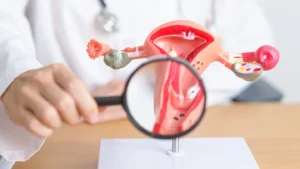

Menstruation does not always stay the same. Some women notice heavier bleeding. Others see spotting between cycles. A few struggle to get pregnant. One possible reason is a uterine polyp.
A uterine polyp is a small growth in the lining of the womb. Many are harmless. Still, they can cause bleeding problems and discomfort. When symptoms appear, medical advice becomes important.
Private care often gives quicker answers. Scans, diagnoses, and treatment can happen without long waits. Private uterine polyp removal in Birmingham helps women deal with symptoms sooner and with less stress.
Doctors usually treat these growths with hysteroscopic polypectomy. A thin camera enters through the cervix. The polyp is removed without cuts. Most women return home the same day and recover quickly.
What Are Uterine Polyps?
Uterine polyps are small growths that appear inside the womb. Doctors often call them endometrial polyps. They grow from the endometrium, the thin lining inside the uterus.
This lining changes every month. It thickens during the cycle. Then it sheds during a period. Sometimes a small area does not shed. That patch keeps growing. A soft lump then forms on the wall of the womb.
Some polyps stay very small. Others grow larger over time. Shape can vary. Most uterine polyps are benign. They are not cancerous. Still, doctors often advise proper checks. Testing the tissue helps confirm that the cells are normal. In rare cases, abnormal changes can develop. Early review helps rule out risk.
These growths can also disturb the normal cycle of the womb lining. Because of this, some women notice unusual bleeding. Others face problems when trying to conceive.
Common Symptoms Women Experience
- Heavy menstrual bleeding: Periods may become heavier or last longer than usual.
- Bleeding between periods: Light spotting may appear at unexpected times.
- Postmenopausal bleeding: Any bleeding after menopause should be checked by a doctor.
- Fertility problems: A polyp can sometimes affect embryo implantation.
- No symptoms: Some women feel well and discover polyps only during scans.
When Is Private Uterine Polyp Removal in Birmingham Recommended?
Some uterine polyps stay normal. They cause no clear trouble. But things change when symptoms begin to interfere with daily life. Bleeding may become hard to manage. Pain may appear. Sometimes the concern is not the symptom itself but what might be hidden inside the tissue.
At that point, private uterine polyp removal in Birmingham becomes a sensible step. The growth can be removed and sent for testing. That small piece of tissue often answers important questions.
Persistent or Heavy Abnormal Bleeding
Irregular bleeding is one of the most common reasons for removal.
- Bleeding outside the cycle: Spotting may appear without warning.
- Frequent disruption: Ongoing bleeding can affect daily routines and energy levels.
Fertility Concerns
A small growth can sometimes disturb the space needed for pregnancy.
- Implantation difficulty: The embryo may struggle to settle on the uterine lining.
- Fertility treatment planning: Specialists may suggest removal before IVF or other treatments.
Postmenopausal Polyps
Bleeding after menopause always raises questions.
- Unexpected bleeding: Even a small amount should be checked.
- Growth seen on scan: Doctors may advise removal so the tissue can be examined.
Suspicion of Malignancy
Most polyps are harmless. Still, doctors stay careful.
- Unusual scan findings: Shape or structure may look irregular.
- Unexplained symptoms: Persistent bleeding can prompt closer investigation.
Removing the polyp allows laboratory testing. This step confirms whether the cells are healthy and rules out cancer within the tissue.
How Uterine Polyps Are Diagnosed
Doctors often find uterine polyps while checking for symptoms that don’t seem normal. To understand the cause, doctors use a few simple checks. Each step helps them see what is happening inside the womb.
Pelvic Examination
The visit starts with a pelvic exam. The gynaecologist asks about symptoms and checks the reproductive organs.
- Health questions: The doctor asks about period changes, bleeding, or pain.
- Basic physical check: The cervix and nearby areas are examined.
- Planning the next step: The doctor decides if further tests are needed.
Polyps grow inside the uterus, so they are not always visible during this exam. Still, the check helps rule out other problems.
Ultrasound Scan
An ultrasound scan is often the next test. It helps doctors see the uterus more clearly.
- Image of the womb: Sound waves create a picture of the uterus and its lining.
- Check for growths: Doctors look for small masses inside the lining.
- Transvaginal scan: A thin probe inside the vagina gives a closer view.
This scan often shows if something unusual is present.
Hysteroscopy
Hysteroscopy lets doctors look directly inside the womb. A thin tube with a tiny camera passes through the cervix.
- Clear internal view: The doctor can see the uterine lining on a screen.
- Find the polyp: Small growths become easier to spot.
- Possible removal: The polyp can sometimes be removed during the same procedure.
A hysteroscopy allows doctors to see inside the womb and diagnose conditions affecting the uterus.
Benefits of Choosing Private Uterine Polyp Removal in Birmingham
Waiting can be hard. Many women want answers sooner. That is why some choose private uterine polyp removal in Birmingham. Private care often moves faster and feels more personal.
- Quick tests and results: Scans and reviews can happen sooner. Patients may learn the cause of symptoms without a long wait.
- Flexible visit times: Clinics may offer evening or later slots. This helps women who work or care for their families.
- Specialist care: Many private doctors work in women’s health every day. They deal with womb conditions often. This regular practice helps them recognise problems quickly and choose the right treatment.
- Shorter wait for treatment: Private clinics can arrange procedures sooner. Patients often move from diagnosis to treatment in a shorter time.
- More time with the doctor: Appointments may feel less rushed. Patients can speak openly, ask questions, and understand their treatment choices.
- Comfortable setting: Private hospitals are usually quieter than busy clinics. Staff focus on patient comfort before, during, and after the procedure.
Recovery After Uterine Polyp Removal
Most women recover well after uterine polyp removal. The procedure is quick. Doctors often use hysteroscopy. It usually takes about 10–30 minutes. Many patients go home the same day.
Immediate Recovery
After the procedure, patients rest for a short time at the clinic. Staff check how they feel before they leave.
- Short rest period: Patients relax while the body settles after sedation.
- Same-day discharge: Most women go home within a few hours.
- Aftercare advice: Doctors explain how to rest and what signs to watch for.
Mild Symptoms After Surgery
Some small symptoms may appear as the womb heals. These usually pass quickly.
- Light bleeding: Mild spotting may last a few days.
- Mild cramping: Some women feel gentle period-like pain.
- Temporary discharge: A small amount of fluid may appear for a short time.
Returning to Normal Activities
Healing usually happens quite fast.
- Daily movement: Light tasks can often start again the next day.
- Work routine: Many women return to work within a few days.
- Gradual comfort: Strength and energy improve as the body recovers.
Book Private Uterine Polyp Removal in Birmingham
Bleeding that feels unusual should not be ignored. Heavy periods, sudden spotting, and bleeding after menopause are signs that need a check.
Private uterine polyp removal is a routine procedure. Doctors perform it often. It is usually quick and safe. Many women return home the same day.
At Your Gynae Health, specialists listen first. They review symptoms and run the right tests. Then they explain the next step in clear terms.
Early care brings peace of mind. It also helps stop symptoms sooner. Book a consultation today. Speak with an experienced gynaecologist and get a fast diagnosis and treatment in Birmingham.
FAQs
1. Do all uterine polyps need removal?
No. Some small polyps cause no symptoms. Doctors may monitor them with scans.
2. How long does the procedure take?
Many hysteroscopy treatments take about 10–30 minutes.
3. Will I stay in the hospital overnight?
Usually not. Most patients go home the same day after a short rest.
4. Can uterine polyps affect pregnancy?
Yes, in some cases. A polyp may disturb the lining where an embryo needs to attach.
5. What signs should prompt a medical visit?
Heavy periods, spotting between cycles, or bleeding after menopause should always be checked.