Ovarian cysts do not always cause obvious symptoms. You may feel a slight ache. Your cycle may shift. It is easy to miss.
But small changes can carry meaning. Some signs do not go away on their own. Symptoms are often misread. Many women wait, hoping things will settle. That delay can make it harder to understand what’s really happening.
Pay attention to how you feel. Your body gives signals for a reason. If discomfort stays or begins to affect your day, it’s sensible to speak with an ovarian cyst specialist in Birmingham. Early advice can bring clarity and ease worry.
This guide explains the signs to notice, when to take the next step, and what the process may look like.
What Is an Ovarian Cyst?
An ovarian cyst is a small fluid-filled sac. It forms on or inside an ovary. This can happen during the normal monthly cycle. The ovaries release an egg each month. Sometimes, a small sac stays instead of breaking down. That sac can grow into a cyst.
Most cysts are not harmful. Many women never notice them. There may be no pain. No clear signs. In some cases, a cyst can grow larger. It may press on nearby areas. That’s when symptoms begin to show.
Types of Ovarian Cysts
Functional cysts
These are the most common. They form during the cycle and often go away on their own. No treatment is usually needed.
Complex cysts
These are less simple. They may contain blood or solid parts. Doctors often keep a closer watch on them.
Endometriomas and dermoid cysts
Endometriomas are linked to endometriosis. They can cause pain. Dermoid cysts are different. They can contain tissue like hair or fat. Each type behaves in its own way. That’s why proper checks matter.
Warning Signs You Shouldn’t Ignore
Some ovarian cysts stay quiet, but others don’t. When symptoms appear and stick around, they deserve attention. These signs may seem mild at first, but they can point to a growing problem.
1. Persistent Pelvic Pain
A steady ache in the lower abdomen is one of the most common signs. It may come and go, or stay for days. Some feel a sharp pain on one side. If it keeps returning, it should not be ignored.
2. Bloating or Abdominal Swelling
A feeling of fullness that does not match what you’ve eaten can be a clue. Clothes may feel tighter. It can seem like a digestive issue, which is why many overlook it.
3. Pain During Sex
Discomfort during intimacy is not something to brush aside. It can happen when a cyst presses against nearby tissues. The pain may feel deep and persistent.
4. Changes in Periods
Your cycle may shift without warning. Periods can become heavier, lighter, or irregular. Some women miss cycles. Others notice more discomfort than usual.
5. Frequent Urge to Urinate
A growing cyst can press on the bladder. This creates a constant need to urinate, even when the bladder is not full. It may feel unusual or sudden.
6. Sudden Severe Pain
Sharp, intense pain needs quick action. It may mean the cyst has ruptured or twisted. This can also come with nausea or dizziness. Seek medical help without delay if this happens.
What Happens During Diagnosis?
The first step is a simple talk. You explain what you feel, when it started, and how often it comes back. Even small changes help build a clear picture.
Then comes a pelvic check. The doctor gently examines the area for signs of swelling or tenderness. It is quick. Some may feel slight discomfort.
An ultrasound scan is often used next. This scan shows the cyst clearly. Whether it looks simple or not, it helps guide the next step.
Blood tests are not always needed. They may be suggested in some cases. These tests help rule out other concerns and give more clarity.
Seeing an ovarian cyst specialist in Birmingham ensures proper diagnosis and peace of mind. You get answers that are based on real findings, not guesswork.
Why Early Diagnosis Matters
Early checks can make a real difference. A cyst can be tracked before it grows or causes more pain. It also helps rule out serious conditions. Most cysts are not harmful, but it is important to be sure.
Waiting can bring stress. Unclear symptoms often lead to worry. Clear answers help you move forward with confidence.
Treatment Options Available
Treatment depends on how the cyst develops. Some stay small and cause no problems. Others may grow or cause pain. The care plan changes based on this.
Watchful waiting
This is often enough. If the cyst looks simple and you feel fine, the doctor may suggest waiting. You may have a repeat scan after a few weeks. This checks if the cyst has reduced or gone.
Medication for symptom relief
Medicines can ease pain and help manage cycles.
- Paracetamol for mild pain
- Ibuprofen to reduce pain and inflammation
- Combined oral contraceptive pill to regulate periods and lower the chance of new cysts
- Progestogen therapy in some cases to support hormonal balance
These help with symptoms. They do not remove an existing cyst.
Surgical removal (if needed)
Surgery is considered when the cyst does not resolve, grows, or causes severe symptoms.
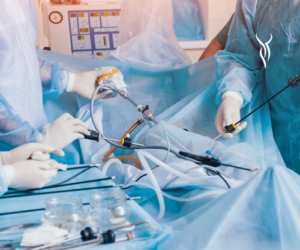
- Laparoscopy: small cuts, quicker recovery
- Laparotomy: used for larger or complex cysts
- Cystectomy: removal of the cyst while keeping the ovary
- Oophorectomy: removal of the ovary if required
The choice depends on scan results and symptoms.
Personalised Treatment Approach
Each case is different. The type of cyst matters with its size and growth. Your age is also considered. Future pregnancy plans play a role in decisions. The aim is clear: manage symptoms, avoid risk, and protect long-term health.
Risks of Ignoring Symptoms
- Cyst rupture: A cyst may burst without warning. The pain can be sudden and strong. Some women feel faint or sick. This is not something to ignore.
- Ovarian torsion: The ovary can twist on itself. Blood flow stops. Pain builds fast and feels severe. It needs urgent care.
- Chronic pain: Discomfort may stay for weeks. It may come and go. Some days feel normal, others don’t. Over time, it can affect daily life.
- Rare but serious complications: These are uncommon, but they do occur. If a cyst is left unchecked, problems can become harder to manage later.
Conclusion
Most cysts do not lead to serious problems. That part is reassuring. Still, it is easy to dismiss symptoms and move on. Many people do.
A small change can stay longer than expected. It may start to bother you more over time. That’s usually when it helps to get it checked.
Early advice often keeps things simple. You get a clearer picture. No guessing. If something feels different, trust that instinct. It does not have to be severe to matter.
At Your Gynae Health, you can speak with an ovarian cyst specialist in Birmingham and talk about your concerns.
Frequently Asked Questions
1. How do I know if my ovarian cyst is serious?
There is no single sign. Pain that does not ease or suddenly feels worse should not be ignored. Ongoing bloating or pressure can also be a symptom.
2. Do all ovarian cysts need treatment?
No. Many cysts settle on their own over time. If there is no pain or change, doctors may keep an eye on it with a scan. Treatment is only needed if it grows, causes symptoms, or does not go away.
3. How long should I wait before seeing a specialist?
If it lasts a few weeks, get it checked. You do not need to wait for it to become severe.
4. Can ovarian cysts affect fertility?
In many cases, ovarian cysts do not affect fertility. Many women still conceive without trouble. Some types can have an effect. This depends on the cyst and how it impacts the ovary.
5. What is the best way to diagnose an ovarian cyst?
An ultrasound scan is the main test. It provides a clear view of the cyst, including its size and type, and helps decide what to do next.