Hearing the words cervical polyp can be scary. It is normal to worry. Many women do. The good news? Most polyps are small, harmless, and easy to remove.
If you are looking into cervical polyp removal in Birmingham, you probably want simple facts. This simple guidance is intended for you.
Here, you will learn what a cervical polyp is, when removal is advised, what the procedure involves, and how recovery usually feels. So you can make calm, informed choices about your health and move forward with reassurance.
What Is a Cervical Polyp?
Simple Definition and How Polyps Look and Form
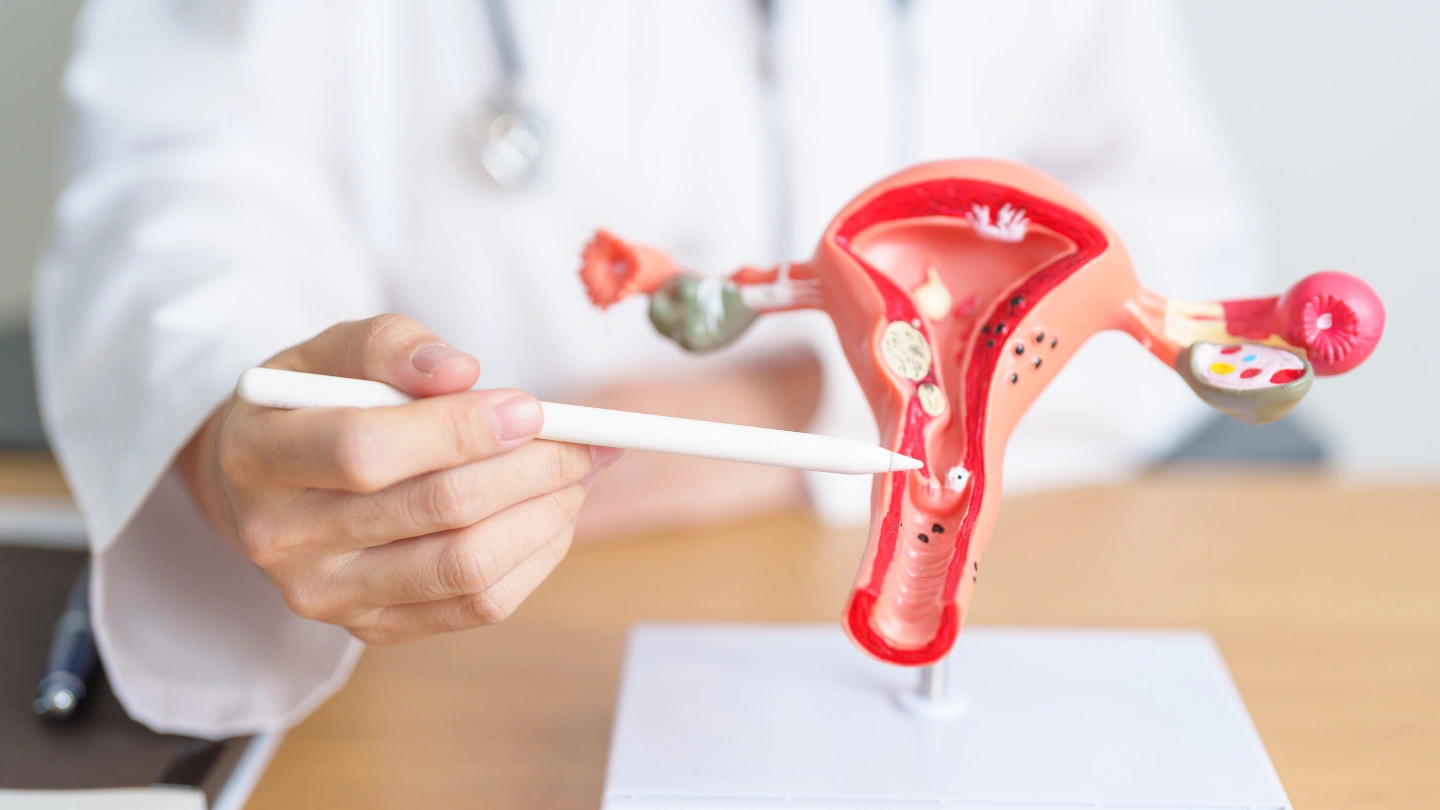
A cervical polyp is a small growth on the cervix. The cervix sits at the lower end of the womb. It connects the womb to the vagina.
Polyps are usually soft. They may look red or purple. Some hang on a thin stalk. Others are short and rounded. Most are small in size.
They form when cells in the cervix grow more than usual. This can happen due to hormone changes. Oestrogen may play a role. Long-term mild inflammation may also contribute. In many cases, there is no clear cause.
It helps to know this: most cervical polyps are benign. That means they are not cancerous. Very few turn out to be serious.
Common Symptoms
Some women notice nothing at all. A polyp may be found during a smear test or routine check.
Others may see light bleeding after sex. There may be spotting between periods. Periods can seem heavier. Some notice unusual discharge. It may be white or yellow.
Cervical polyps are more common in women over 30. They are often seen in those who have had children. They are not rare. Many women will experience one at some point.
When Is Removal Recommended?
Symptoms That Lead to Removal
Not every cervical polyp needs to be taken out. If it causes no trouble, your clinician may suggest leaving it alone.
Removal is often advised when symptoms appear. The most common sign is bleeding. This may happen after sex. It can also show up between periods. Some women notice heavier periods than usual.
Discomfort can be another reason. A larger polyp may cause a dull ache or pressure. Infection is less common, but it can occur. Signs include unusual discharge, an unpleasant smell, or irritation.
If bleeding keeps happening, removal is usually the safest option. It stops the symptom and allows the tissue to be checked.
Referral or Specialist Review
Your GP can remove many small polyps in the clinic. It is quick and simple. Sometimes a referral is needed. This may happen if the polyp is large. It may look unusual in shape or colour. Persistent symptoms can also lead to referral.
In these cases, you may be seen in a gynaecology or colposcopy clinic. A specialist uses a magnified view to examine the cervix closely.
Further Testing and Lab Checks
In rare cases, extra tests are advised. This is to rule out abnormal cells. After removal, the polyp is sent to a lab. This is called histology. It confirms the growth is benign. Most results bring reassurance.
Types of Cervical Polyp Removal in Birmingham
If you need cervical polyp removal in Birmingham, it is usually a simple outpatient visit. You arrive, the polyp is removed, and you go home the same day. No long hospital stay. No complex prep in most cases.
GP Clinic Removal
Many small polyps can be removed at a GP practice. This works well when the growth is clearly visible, and there are no other concerns.
The clinician gently holds the polyp with a small tool and removes it. The process is quick. You may feel a short cramp. Some women compare it to mild period pain. It passes fast. You can usually return to normal activity later that day.
Colposcopy Clinic
If the polyp looks larger, has an unusual shape, or symptoms have lasted, you may be referred to a colposcopy clinic.
Here, a specialist examines the cervix using a magnified view. The light is bright. The inspection is careful. Removal can be done during the same visit. This setting offers a more detailed assessment if needed.
Outpatient Hysteroscopy
When a polyp sits higher inside the cervical canal, a thin camera called a hysteroscope may be used. It allows a clear view inside before removal. This helps ensure nothing is missed.
The camera is passed gently through the cervix. Sterile fluid may be used to open the space slightly for better visibility. The procedure is usually brief. Most women go home within an hour.
Pain Relief Options
Some women choose no anaesthetic. Others prefer local numbing. General anaesthesia is rarely required.
Local anaesthetic is given as a small injection into the cervix. It reduces sharp sensation, but you may still feel pressure. Mild cramping can occur for a short time after the procedure.
Step-by-Step: What Happens During the Procedure
Before Removal
The visit begins with a short discussion. Your clinician asks about bleeding patterns, pain, and any recent test results. You may be asked about your last smear test.
It is important to say if you could be pregnant. Also mention blood-thinning tablets, hormone treatment, or allergies. These details help avoid problems.
Your blood pressure can be checked. The procedure is explained in simple terms. You are told what you might feel. Nothing starts until you agree. Consent is taken only when you are comfortable.
During Removal
You lie on the couch, similar to a routine cervical screening. A speculum is placed gently to see the cervix clearly.
The polyp is held with slim forceps. Many are removed with a slow twist. If the base is thicker, a small wire loop or curette may be used. Occasionally, light heat (cautery) seals the area to control spotting.
The removal itself is brief. It is often under five minutes. You may feel pressure or a short cramp. It settles quickly.
Lab Testing and Reassurance
After removal, the tissue is placed in a labelled container. It goes to a pathology lab. Specialists examine the cells under a microscope.
This check confirms the growth is benign. Results usually return within a few weeks. Most reports are reassuring, giving clear answers and closure.
Recovery: What to Expect and Practical Aftercare
Short-Term Care
The cervix needs a short time to settle. Use sanitary pads instead of tampons for about one to two weeks. This lowers infection risk.
Avoid sex until bleeding has fully stopped. Many clinicians suggest waiting around a week. Swimming is best avoided during this time as well. Gentle daily activity is acceptable. Extreme activity needs to be avoided.
When to Seek Advice
Heavy bleeding is not expected. Soaking a pad every hour is a reason to call. Fever, worsening lower tummy pain, or discharge with a strong smell should also be checked. These signs are uncommon, but they matter.
Results and Next Steps
The lab usually returns results within two to three weeks. Most confirm the growth was benign. If anything unusual appears, your clinician will guide you clearly. Further review may be advised. Often, no extra treatment is needed.
Conclusion
Most cervical polyps are not serious. Removing them is usually quick. Recovery is often smooth.
If you are thinking about cervical polyp removal in Birmingham, Your Gynae Health is here to help. We take time to listen. We explain things clearly. You will know what’s happening at every step.
You won’t be rushed. You won’t be left guessing. Call us or book online for a simple check. Get clear answers and feel reassured.
Frequently Asked Questions
1. Do cervical polyps mean I have cancer?
No. Most cervical polyps are benign. Cancer is rare. The removed tissue is checked in a lab to be certain. Results usually confirm there is nothing serious.
2. Does removing a polyp hurt?
You may feel a short cramp or pressure. It is often mild. The procedure is quick. Many women say it feels similar to period pain and settles fast.
3. How long until I feel normal again?
Most women feel fine within a day or two. Light spotting can last a few days. The normal routine can usually resume soon after.
4. Can polyps come back?
Yes, they can return, but it is not common. If symptoms come back, a review is advised.
5. Will my GP remove it, or will I need a specialist?
Small, simple polyps are often removed by a GP. Larger or unusual ones may need referral to a specialist clinic.