
Many women live with pain they believe is normal. Strong cramps, heavy bleeding, and deep fatigue are common symptoms, but that does not make them harmless. At first, it may seem manageable. A difficult cycle. A few bad days. Life moves on, even when discomfort keeps returning.
Questions often follow. Why does the pain feel worse now? Why does tiredness linger long after a period ends? Finding clear answers can take time. Symptoms may be misunderstood. Relief may feel temporary. This uncertainty can be frustrating and exhausting.
When problems persist, a closer look becomes important. An endometriosis specialist in Birmingham can help explore causes that routine care may overlook.
This guide explains when specialist support may be the right step and how the right care can lead to steady, lasting relief.
Understanding Endometriosis and Why It’s Often Missed
What Is Endometriosis?
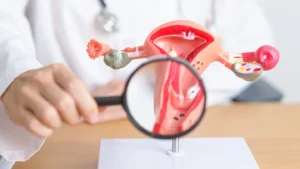
Endometriosis is a condition where tissue similar to the lining of the womb grows outside the uterus. It may attach to the ovaries, fallopian tubes, or other nearby areas.
This tissue acts like normal womb lining. It responds to hormones. When the menstrual cycle begins, the tissue tries to behave as if it belongs inside the uterus.
But it doesn’t. The tissue has nowhere to go. Blood becomes trapped. The body reacts with swelling, irritation, and pain.
Symptoms are not the same for everyone. Some women experience sharp cramps that interrupt daily life. Others feel a steady, dull ache. Fatigue can appear. Even simple activities may start to feel uncomfortable.
Symptoms may also change over time, which often adds to confusion.
Why Diagnosis Is Frequently Delayed
Endometriosis does not always show obvious signs. Many symptoms look like common issues. Because of this, the condition is easy to overlook.
Pain can be especially misleading. Strong menstrual cramps are often dismissed as “normal.” Instead of searching for a cause, many women are simply advised to manage the discomfort.
Awareness also matters. Endometriosis is common, yet conversations about it are still limited. Without clear information, recognising the pattern can take years.
The Impact of Untreated Endometriosis
When symptoms continue without proper care, daily life can slowly become harder. Pain may worsen. Energy may drop. Ordinary tasks may feel exhausting.
For some women, fertility concerns may develop. The effects are not only physical. Ongoing discomfort can influence sleep, mood, and overall quality of life.
Signs It’s Time to See an Endometriosis Specialist in Birmingham
Persistent Pelvic Pain That Doesn’t Improve
Pain that stays after your period is not something to brush aside. For some women, it feels sharp, like a sudden stab. For others, it is a dull ache that hangs around all day. The feeling can change. It can grow stronger.
When pain starts to affect sleep, work, or even walking, it is worth paying attention. Pain is your body’s way of saying something needs a closer look.
Heavy or Irregular Periods
Periods are not always the same. Small changes are normal. But clear shifts matter. Bleeding that becomes much heavier. Periods that last longer than usual. Cycles that arrive early, late, or without warning. Feeling extremely tired during your period.
These signs often creep in slowly. Many women get used to them without realising that something may be wrong.
Pain During Intercourse or Bowel Movements
This type of pain is common with endometriosis, yet many women feel uncomfortable talking about it. Pain during intimacy. Discomfort when using the toilet. Pain that appears at certain times of the month. These experiences are real. They are medical symptoms, not something to feel embarrassed about.
Fertility Challenges
Difficulty getting pregnant can have many causes. Endometriosis is one possibility. A specialist can help explore what may be happening. This brings clearer answers and reduces guesswork during an already stressful time.
When Treatments Aren’t Working
Many women try painkillers or hormonal treatments first. Sometimes they help. Sometimes they don’t. When relief never quite lasts, seeing an endometriosis specialist in Birmingham can make a difference. A specialist looks deeper, focusing on the cause of the pain rather than just easing the symptoms.
Why Specialist Care Makes a Real Difference
Advanced Diagnostic Expertise
Endometriosis can be tricky. The signs are not always clear.
A specialist looks deeper. They listen carefully. They look for patterns, when the pain starts, how long it lasts, and what makes it worse. Small details matter here.
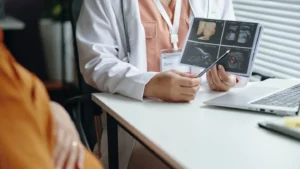
Scans like an ultrasound or MRI may help. They can reveal areas that need a closer check. Sometimes, laparoscopy is the next step. This lets doctors see inside the body instead of relying only on symptoms or images.
Personalised Treatment Planning
Women experience endometriosis in different ways.
One person may struggle with constant pain. Another may notice symptoms that come and go. Life, work, stress, and future plans all play a role.
Treatment should reflect real life. Pain relief may help. Hormone treatment may help. In some cases, surgery becomes part of the plan.
Long-Term Symptom Control
Endometriosis is rarely a one-time problem. Symptoms can shift. Good months may be followed by difficult ones. This is normal, even if it feels frustrating.
An endometriosis specialist in Birmingham focuses on steady progress. The aim is simple: less disruption, better comfort, more control over daily life.
What to Expect During Your Specialist Consultation
Symptom Discussion Without Dismissal
The visit begins with a real conversation. You describe what you feel. Not just pain, but how it shows up in daily life. Every detail counts. Nothing is waved away as “just part of your cycle.”
Diagnostic Pathways Explained Clearly
If tests are needed, they are explained in simple language. Scans, imaging, or other checks are discussed step by step. You understand what is being looked for and why it matters.
Collaborative Care Decisions
Next comes planning. Treatment is not chosen for you. It is decided with you. Options may include pain relief, hormone support, or other approaches depending on your symptoms.
Questions are part of the process. The goal is simple: a plan that fits your life, not just your diagnosis.
Conclusion: Taking the First Step Toward Relief
Persistent pain has a way of creeping into everything. Workdays feel longer. Sleep becomes lighter. Small tasks demand more effort than they should. Yet this kind of discomfort is not something you simply accept.
When symptoms are properly explored, the picture often changes. Causes become clearer. Choices feel less overwhelming. Relief stops feeling abstract.
If endometriosis symptoms are affecting your comfort or daily rhythm, meeting an endometriosis specialist in Birmingham at Your Gynae Health offers a useful starting point.
Frequently Asked Questions
1. How do I know if my pain is serious enough to see a specialist?
A simple guide can help. If pain affects sleep, work, or daily tasks, it should be checked. Pain that worsens or keeps coming back also deserves attention.
2. Can endometriosis symptoms appear outside of periods?
Yes. Some women feel pain mid-cycle. Others notice bloating, fatigue, or pelvic pressure at unexpected times. Symptoms rarely follow a perfect schedule.
3. What treatments can a specialist offer beyond a GP?
A specialist looks more closely. They may use imaging, review symptoms in detail, and offer treatments matched to your condition.
4. Is surgery always required?
No. Many women manage well with medication or hormonal support. Surgery becomes an option when symptoms remain stubborn or severe.
5. Why see an endometriosis specialist in Birmingham?
Experience changes perspective. Focused expertise often leads to clearer understanding and more precise care decisions.