
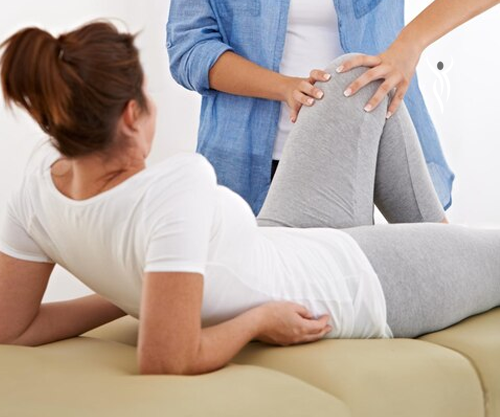
Symptoms include a small leakage, bowel incontinence and mild ache, which are easy to ignore. Over time, it feels normal. Many women adjust without thinking much.
These problems are often kept quiet. They get blamed on age, childbirth, or daily strain. But these signs have a reason. The body is asking for support. Pelvic health physiotherapy helps you understand what is happening and how to fix it.
In this blog, you will learn what it is, what signs to notice, and how it can help you feel more comfortable each day.
Why Many Women Struggle in Silence Without the Right Support
Many women live with symptoms they rarely talk about. In the UK, over 60% of women experience at least one pelvic floor symptom. Around 1 in 3 women face urinary incontinence after childbirth. Even so, these changes are often seen as normal.
Awareness is still limited. Pelvic health is not widely discussed, and clear guidance can be hard to find. Because of this, early signs are easy to ignore. What starts small can slowly become part of daily life.
Many women adjust without realising it:
- They avoid certain movements or exercises
- They plan their day around comfort
- They stay quiet about what they feel
This can begin to affect daily living:
- Confidence may drop
- Social activities may reduce
- Comfort may change over time
Despite how common these issues are, many women do not realise that support is available. The right care exists, but it is often delayed.
How Delaying Support Affects Your Health
Symptoms can build over time. What feels mild may not stay the same. Discomfort can increase, and daily life may feel more limited.
When support is delayed:
- Leaks may become more frequent
- Pain or pressure may get worse
- Muscles may weaken
Recovery may take longer later:
- More support may be needed
- Treatment may become more complex
Early care can help keep things simple and easier to manage.
What Is Pelvic Health Physiotherapy and Why It Matters for Women
Pelvic health physiotherapy focuses on the muscles at the base of the pelvis. These muscles support the bladder, bowel, and uterus. When they do not work well, problems can start.
It helps muscles get stronger and work properly. It also helps them relax when needed. The aim is better control and ease in daily life. This care is different from regular exercise. It is guided, focused, and based on how your body responds.
It also plays a key role in long-term health. It supports recovery after childbirth. It can help manage early signs before they get worse. It also helps maintain strength as the body changes with age.
What Does a Pelvic Health Physiotherapist Do?
The pelvic health care process starts with a simple assessment. This may include external checks. Internal assessment is done only if needed and with consent.
Support often includes:
- Targeted exercises
- Advice on posture and movement
- Guidance for daily habits
Why This Treatment Is Often Overlooked
- Some feel shy to talk about these symptoms
- Many do not know this care exists
- Symptoms are often seen as normal and ignored
Common Conditions This Treatment Can Help With
Pelvic health care can help with a range of problems that affect how you feel each day. Many of these are common, but they are frequently overlooked or ignored.
- Urinary incontinence: Leaks may happen without warning. A cough, a laugh, even a quick step can trigger it. With the right support, control can improve.
- Pelvic organ prolapse: Some women notice a heavy feeling, like something is dropping. It can feel strange at first. Strength work can help ease that pressure.
- Postnatal recovery: After birth, the body does not always return to how it felt before. Weakness or discomfort can stay. Gentle support can help rebuild strength.
- Chronic pelvic pain: Pain may come and go, or stay longer than expected. Sitting, standing, or even resting can feel different. Care can help the body relax and move better.
- Sexual dysfunction: Discomfort during intimacy can be hard to talk about. It may feel easier to ignore. With the right help, things can improve over time.
These issues are more common than many think. Change may feel slow at first, but steady support can make daily life easier.
Why Early Treatment Makes a Huge Difference
Early care can shift how the body responds. A small issue can stay small. If left alone, it may build slowly. Early treatment helps:
- Symptoms from getting worse: What feels minor now can stay manageable instead of becoming frequent or harder to control.
- Lowers the chance of surgery: Many concerns can be handled with guided care before they reach a stage where other options are needed.
- Supports long-term stability: Strong muscles make daily movement feel easier and more secure over time.
Waiting can change how the body works. Muscles may overcompensate. Some weaken, others tighten. It becomes less about a single issue and more about settled patterns.
Prevention vs Cure
It is often easier to guide the body early than to correct it later.
- Early care supports better control and comfort
- It helps maintain function as the body changes over time
- It allows a more active and steady routine
Small action early on can make a clear difference later.
What to Expect During Your First Session
1. Initial discussion:
It usually starts with a simple chat. You describe your symptoms. Some details may feel small, but they still matter. There’s time to think and to explain things in your own words.
2. Physical check:
A gentle check may follow. Usually external. If anything more is suggested, it is explained first. You decide what feels okay. Nothing is done without your say.
3. Personal plan:
From there, a plan starts to take shape. It’s not one-size-fits-all. It is shaped around what you need right now, even if that changes later.
4. Guided support:
You might be shown a few simple steps to try. Nothing complex. Just small things that can fit into your day. Some may feel easy, others a bit unfamiliar, but that’s normal.
5. Comfort and care:
Feeling unsure is common. It usually settles once things begin. The space stays private. You are heard, not rushed. Everything moves at a pace that feels right for you.
Don’t Ignore What Your Body Is Telling You
Small signs are common, but that does not mean they should stay. What feels small can slowly take over daily life. It can change how you move, sit, or even relax.
There is a way to improve it. Pelvic health physiotherapy helps your body work better again. It is not something to feel awkward about. It is simply care your body may need.
At Your Gynae Health, support is simple and respectful. Take control today. Book your appointment and start feeling more like yourself again.
Frequently Asked Questions
1. What is pelvic health physiotherapy, and who needs it?
It focuses on the muscles that support the bladder, bowel, and uterus. It helps improve control, strength, and comfort. It is useful for women with leaks, pain, pressure, or changes after childbirth.
2. Is this therapy only for women after childbirth?
No. It is not limited to new mothers. It can help women at different stages of life, even without pregnancy.
3. How long does it take to see results?
It varies. Some notice small changes in a few weeks. Others may take longer. Progress depends on the condition and how regularly the plan is followed.
4. Are pelvic floor exercises enough on their own?
Not always. Doing them without guidance may not help. In some cases, muscles need to relax, not tighten. The right approach matters.
5. When should I book an appointment with a specialist?
If you notice leaks, pain, pressure, or discomfort that affects your routine, it’s a good time to seek help. Early support can make recovery easier.