A heavy feeling low in your body. Pressure gets worse when you stand for too long. Many women ignore it. They think it’s just part of getting older or having children. But it does not have to be something you live with.
Vaginal prolapse is common. It often happens after pregnancy or during menopause. The muscles that support the pelvic organs can weaken over time. When they do, one or more organs may slip down into the vagina.
The good news? It can be treated. If you are worried about vaginal prolapse in Birmingham, knowing the early signs can help you get help sooner. This guide explains the symptoms, the stages, and the treatment options available near you, so you can make the right choice for your health.
What Is Vaginal Prolapse?
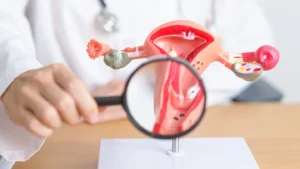
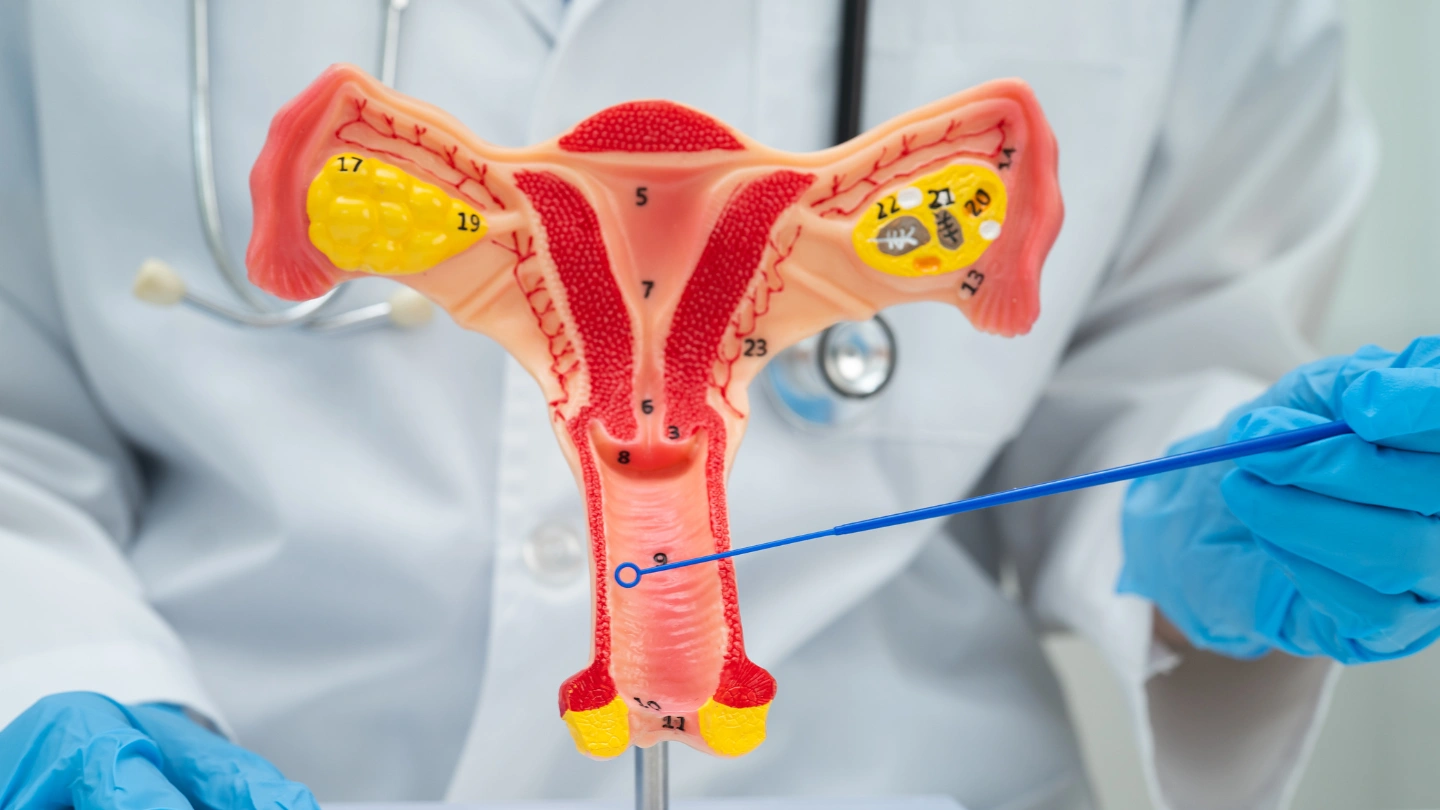
Vaginal prolapse is a type of pelvic organ prolapse. It happens when the muscles and tissues that support the womb, bladder, or bowel become weak. These muscles act like a sling. When they lose strength, one or more organs can drop down into the vagina. In some cases, you may feel a bulge. In others, it feels like pressure or fullness that does not go away.
This problem is more common than many people think. In the UK, mild prolapse affects a large number of women, especially after childbirth or during midlife. Some studies suggest that up to 1 in 10 women may need treatment for prolapse at some point. Many more have mild symptoms but never talk about them.
It can feel worrying. But it is treatable. There are simple steps for the early stages and safe surgical options if needed.
What Causes Vaginal Prolapse?
Pregnancy and vaginal birth can stretch and strain the pelvic floor. Forceps delivery or a long labour can add extra pressure.
During menopause, oestrogen levels drop. Tissues become thinner and less firm. Age also plays a part. Muscles lose tone over time.
A long-term cough, heavy lifting at work, obesity, or past pelvic surgery can increase strain inside the abdomen. That repeated pressure pushes down on already weak support muscles.
Who Is at Higher Risk?
Women over 40 face a higher risk. Postmenopausal women are more likely to notice symptoms. Those who have had several vaginal births may have reduced muscle strength. If your mother or sister had prolapse, your risk may also be higher.
Early Signs of Vaginal Prolapse You Must Not Ignore
The first signs are often mild. Easy to brush aside. Many women think it will settle on its own.
You may notice:
- A small bulge or lump inside the vagina
- Discomfort or a change in sensation during sex
- Urine leakage when you cough, sneeze, or laugh
- Trouble emptying your bladder fully
- A dull ache in the lower back that does not improve with rest
Some days feel normal. Other days do not. Symptoms can slowly build over time.
Many women experiencing vaginal prolapse first notice subtle symptoms that gradually worsen. What begins as mild pressure can become more obvious if left untreated.
When Should You See a Doctor?
It is time to seek help if:
- The discomfort starts to affect work, exercise, or daily tasks.
- You can see or feel a bulge at the vaginal opening.
- Your bladder or bowel habits change.
- You feel worried or unsure about what is happening.
Early medical assessment matters. Speaking with an expert consultant can give you clear answers and help you decide on the right next step before symptoms become more severe.
Understanding the Stages of Vaginal Prolapse
Doctors sort vaginal prolapse into stages. The stage depends on how far the organ has moved. It is simply a way to measure how much support has been lost.
Stage 1 (Mild)
The organ has dropped a little but stays inside the vagina. You may not notice anything unusual. Some women feel slight pressure at the end of the day. Others feel fine. It is often found during a routine check.
Stage 2 (Moderate)
The organ moves lower and comes close to the vaginal opening. You might feel a small lump when washing. Standing for a long time can feel uncomfortable. Bladder changes may begin, such as leaking or trouble emptying fully.
Stage 3 (Advanced)
The organ pushes outside the vaginal opening. The bulge is easy to see or feel. Walking may feel awkward. Sitting can cause pressure. Daily tasks start to feel harder.
Stage 4 (Severe)
The organ is fully outside the vagina. Discomfort is constant. There may be soreness or skin irritation. Passing urine can be difficult. At this stage, specialist care is usually needed.
Knowing the stage helps you understand what is happening and what treatment may be right for you.
Proven Treatment Options for Vaginal Prolapse in Birmingham
There is no single fix for everyone. Care depends on how far the prolapse has progressed, your age, your general health, and whether you want more children. Some women manage well with simple steps. Others need an operation. The plan should fit your life.
Non-Surgical Treatments
For mild to moderate vaginal prolapse, non-surgical treatments are often highly effective.
Pelvic floor exercises are usually the first step. These exercises tighten the muscles that support the bladder, womb, and bowel. When done daily, they can ease pressure and improve bladder control.
A pessary is another choice. It is a soft device placed inside the vagina to hold the organs in position. It can be removed for cleaning. Many women use one long-term without problems.
Lifestyle changes matter too. Losing weight reduces strain. Cutting down on heavy lifting protects weak muscles. If menopause has thinned the tissues, local hormone treatment may help improve support.
Surgical Treatment Options
If symptoms are more severe, surgery may be advised. Vaginal repair lifts and strengthens the tissues. In some cases, removal of the womb is suggested.
Most procedures use small cuts. Hospital stay is brief. Light activity can often start within a few weeks. Full healing takes longer, and follow-up care is important.
Why Early Diagnosis Matters
Why Early Diagnosis Matters
- Keeps things from slipping further: Prolapse does not always stay the same. Early advice can steady the situation before it turns into something harder to manage.
- Makes everyday life easier: A dragging feeling. The sudden leak when you laugh. These small but constant annoyances can take over your day. Getting help sooner can ease them before they become routine.
- Opens up simpler options: In the early stages, treatment is often straightforward. Targeted exercises. A fitted pessary. Practical steps that fit into normal life.
- Supports better recovery over time: Seeking help from an expert vaginal prolapse in Birmingham consultation can significantly improve treatment success. Acting early often means less disruption, fewer complications, and more control over what happens next.
Conclusion
Vaginal prolapse is something many women face, though few talk about it. It can feel unsettling at first. Still, it is manageable. With the right care, most women see real improvement.
Do not ignore changes in your body. A heavy feeling, a bulge, bladder leaks; these are signs worth checking. A simple appointment can answer questions and ease worry.
If you are based in Birmingham, you can speak to a specialist and explore your options. Taking that first step may feel small, but it puts you back in control of your health.
Frequently Asked Questions
1. Is vaginal prolapse common in women over 50?
Yes, it becomes more common with age. After menopause, the body makes less oestrogen. This can weaken support tissues. Many women over 50 have some degree of prolapse, even if symptoms are mild.
2. Can vaginal prolapse go away on its own?
It usually does not fully reverse by itself. Mild symptoms may improve with pelvic floor exercises and weight control. Without care, it may slowly worsen over time.
3. Is surgery always required for vaginal prolapse?
No. Many women manage well without an operation. A pessary or targeted exercises can control symptoms. Surgery is considered when other methods do not help enough.
4. How long does recovery take after prolapse surgery?
Most women return to gentle daily tasks within a few weeks. Gentle activity follows. Full healing often takes a few months, depending on the procedure.
5. Can vaginal prolapse return after treatment?
Yes, it can happen again. The risk depends on muscle strength, age, and daily strain. Ongoing pelvic floor exercises can lower the chance.